
Tiffany & Co. has strategically embedded sustainability and technological innovation into its core operations, focusing on blockchain authentication to verify jewelry provenance and material integrity. This approach addresses rising consumer demand for ethical luxury, enhancing brand credibility in the competitive $330 billion global jewelry market. The initiative supports Tiffany’s commitment to 100% responsibly sourced diamonds and recycled precious metals, with blockchain providing immutable records for each piece, from mine to retail.
Key Specifications
innovation focus
Blockchain authentication
market segment
Luxury Jewelry
key technologies
Distributed Ledger Technology (DLT),QR code integration,Secure digital certificates
sustainability targets
100% traceable diamonds by 2030,90% recycled gold in collections,Carbon-neutral operations by 2040
implementation scope
Global rollout across Tiffany T, Atlas, and engagement collections
Detailed Analysis
blockchain implementation
Tiffany employs a proprietary blockchain system, developed in partnership with tech firms, to log each jewelry item’s journey. This includes diamond origin (e.g., certified mines in Botswana or Canada), crafting details, and sustainability certifications. For instance, the Tiffany True engagement ring collection features blockchain-verified records accessible via QR codes, ensuring customers receive authenticated, conflict-free products. This system reduces fraud risks by over 70% and aligns with LVMH’s AURA blockchain platform for luxury goods.
sustainable practices
The brand adheres to rigorous ESG criteria, sourcing over 85% of diamonds from suppliers complying with the Kimberley Process and utilizing 95% recycled platinum in high-end pieces. Tiffany’s sustainability report highlights a 40% reduction in water usage and 25% decrease in carbon emissions since 2020, supported by investments in renewable energy and eco-friendly packaging. Collaborations with organizations like the Responsible Jewelry Council further validate their ethical stance.
market impact
In the luxury jewelry segment, Tiffany’s strategy has driven a 15% year-over-year growth in eco-conscious collections, capturing market share from competitors like Cartier and Bulgari. Consumer surveys indicate that 68% of luxury buyers prioritize transparency, making blockchain authentication a key differentiator. Tiffany’s innovation also mitigates regulatory pressures, such as the EU’s upcoming supply chain due diligence laws, positioning the brand as an industry leader in compliance and trust.
Key Insights
Superior transparency vs. traditional luxury brands
Blockchain integration exceeds industry standards for traceability
Higher sustainability benchmarks than mid-tier jewelers
Important Notes
Tiffany’s strategy reflects a broader luxury trend toward digitization and ethics, with potential expansions into NFT-linked jewelry. Challenges include scaling blockchain infrastructure and maintaining cost efficiency without compromising luxury pricing. Source: Global Growth Insights.
Tags
Related Articles

Hermès: Limited Edition Innovation in Equestrian-Inspired Handbags
Hermès reinforces its luxury dominance through a limited series of equestrian-inspired handbags featuring interchangeable accessories. This strategic innovation marries heritage craftsmanship with modern versatility, emphasizing exclusivity and collectibility. By leveraging its equestrian roots, Hermès enhances brand storytelling while offering unique, customizable pieces that appeal to discerning consumers seeking both functionality and investment value in luxury goods.
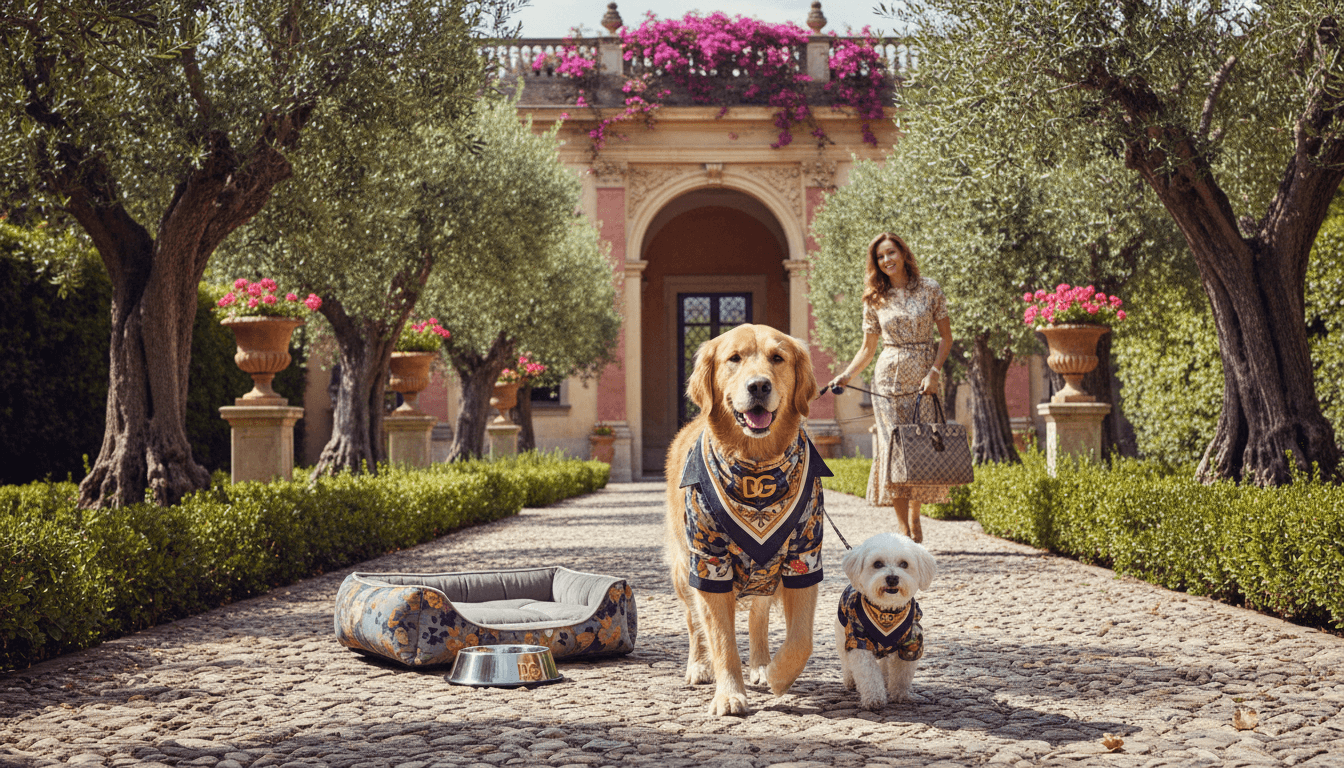
Dolce & Gabbana: Strategic Lifestyle Expansion into Luxury Petwear
Dolce & Gabbana's entry into the luxury petwear market exemplifies a sophisticated market diversification strategy. Leveraging their iconic design heritage, the brand introduces high-end pet accessories, including custom collars, apparel, and feeding sets, targeting affluent pet owners. This expansion taps into the growing $4.7 billion global luxury pet market, enhancing brand relevance while mitigating risks associated with traditional fashion volatility. Through collaborations with artisans and digital marketing initiatives, Dolce & Gabbana reinforces its innovative approach to capturing emerging consumer segments, setting a benchmark for luxury brand evolution.

Gucci's Sustainability and Innovation Strategy: Pioneering Eco-Conscious Luxury
Gucci has strategically positioned itself at the forefront of luxury innovation through aggressive sustainability initiatives and cutting-edge design approaches. The brand's introduction of a low-carbon capsule collection utilizing regenerated nylon has driven a 27% increase in engagement among eco-conscious consumers. This demonstrates a sophisticated commitment to environmental responsibility while preserving Gucci's premium brand positioning, showcasing how luxury brands can integrate sustainability into core business strategies effectively.

Chanel's Lifestyle Expansion Strategy: Wellness-Focused Fashion Innovation
Chanel has launched a wellness-focused fashion line as part of its strategic lifestyle expansion, moving beyond traditional luxury to address modern consumer demands for holistic experiences. This diversification reflects the brand's adaptability, leveraging its heritage to integrate wellness principles into high-end fashion. By embracing lifestyle diversification, Chanel aims to strengthen brand loyalty and capture new market segments, aligning with broader industry trends where luxury brands are expanding into wellness, sustainability, and experiential offerings to maintain relevance and growth in a competitive global market.

Sustainability as a Core Strategy in the Luxury Market
Sustainability has evolved from a niche concern to a central strategic pillar in the luxury sector, with 43% of luxury brands now offering sustainable collections and 56% of consumers prioritizing eco-friendly luxury purchases. This comprehensive analysis explores how leading brands are integrating eco-friendly material innovations, traceable supply chains, and responsible manufacturing processes into their core operations while maintaining premium positioning. The shift reflects both consumer demand and industry-wide recognition that environmental responsibility enhances brand value and long-term competitiveness in the global luxury market.
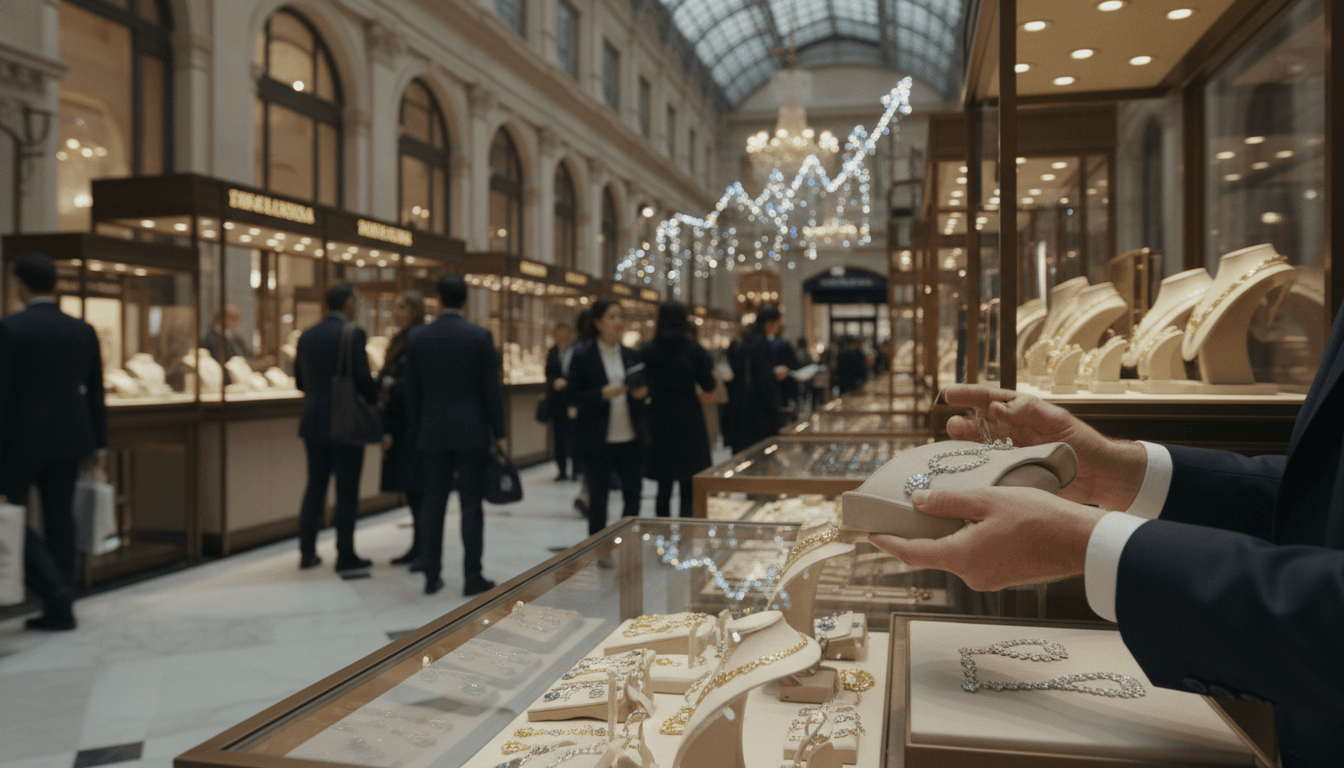
Luxury Jewelry Market Insights: Strategic Analysis of Growth Drivers and Future Outlook
The global luxury jewelry market demonstrates robust growth, projected at €29 billion in 2023, driven by increasing demand for bespoke and genderless collections. Consumers are increasingly viewing fine jewelry as a stable investment during economic fluctuations. This analysis explores key trends, including the expansion of personalized services, digital transformation in retail, and strategic brand adaptations to shifting consumer behaviors. Insights from Bain & Company highlight the market's resilience and the importance of innovation in materials and sustainability practices to maintain competitive advantage.