
Kering, a leading French luxury goods conglomerate, has established itself as a dominant force in the global luxury market, primarily focusing on fashion and leather goods. Founded in 1963, the group has evolved through strategic acquisitions and a commitment to innovation, positioning itself at the forefront of the industry. Kering's brand portfolio includes globally recognized names such as Gucci, Saint Laurent, Bottega Veneta, and Balenciaga, each contributing to the group's robust financial performance and market influence. The company's strategic approach centers on maintaining the distinct identities of its brands while fostering operational efficiencies and sustainability. With a significant emphasis on the Asia-Pacific region, Kering capitalizes on growing luxury consumption in markets like China, Japan, and South Korea. The group's dedication to ethical practices and environmental sustainability is embedded in its corporate ethos, aligning with modern consumer expectations and regulatory trends. Kering's success is underpinned by its ability to balance creative autonomy with centralized support, ensuring brand relevance and long-term growth in a competitive landscape.
Key Specifications
primary market focus
Fashion and Leather Goods
key brands
Gucci,Saint Laurent,Bottega Veneta,Balenciaga
primary region
Asia-Pacific
brand strategy
Maintain individual brand identities
founded year
1963
headquarters
Paris, France
revenue 2023
€20.0 billion (approx.)
employee count
Over 38,000 globally
sustainability initiatives
Environmental Profit & Loss (EP&L) accounting,2025 Sustainability Targets,Circular economy partnerships
Detailed Analysis
brand portfolio analysis
Kering's brand portfolio is meticulously curated to encompass a range of luxury segments, from accessible luxury to ultra-high-end. Gucci, as the flagship brand, drives significant revenue with its innovative designs and digital marketing strategies, contributing over 60% to group sales. Saint Laurent excels in ready-to-wear and leather goods, known for its timeless elegance and strong retail performance. Bottega Veneta emphasizes craftsmanship and understated luxury, leveraging artisanal techniques in leatherworking. Balenciaga, under creative director Demna Gvasalia, pushes boundaries with avant-garde designs and viral marketing campaigns. Each brand operates with autonomy in creative direction, supported by Kering's centralized resources in supply chain management, sustainability, and digital transformation. This structure allows brands to respond agilely to market trends while benefiting from group-wide economies of scale.
market strategy
Kering's market strategy is heavily oriented toward the Asia-Pacific region, which accounts for approximately 40% of its revenue. The group invests in localized marketing, exclusive product launches, and flagship store expansions in key cities like Shanghai, Tokyo, and Seoul. Digital commerce is a priority, with e-commerce sales growing by over 30% annually, driven by partnerships with platforms like Tmall and JD.com. Kering also focuses on experiential retail, integrating technology such as augmented reality in stores to enhance customer engagement. The group's pricing strategy involves tiered offerings to cater to diverse consumer segments, from aspirational shoppers to high-net-worth individuals.
sustainability and ethics
Kering is a pioneer in sustainability within the luxury sector, implementing its Environmental Profit & Loss (EP&L) framework to quantify and mitigate environmental impacts across the supply chain. The group has set ambitious 2025 targets, including a 40% reduction in greenhouse gas emissions and 100% traceability for raw materials. Ethical practices are enforced through strict supplier codes of conduct, ensuring fair labor practices and animal welfare. Kering collaborates with organizations like the Sustainable Apparel Coalition and invests in circular economy initiatives, such as recycling programs and material innovation labs. These efforts not only reduce environmental footprint but also enhance brand reputation and consumer trust.
financial performance
In 2023, Kering reported revenues of approximately €20.0 billion, with a compound annual growth rate (CAGR) of 8% over the past five years. Gucci remains the largest contributor, generating €12.5 billion, followed by Saint Laurent at €3.0 billion. The Asia-Pacific region led sales with €8.0 billion, reflecting a 15% year-over-year increase. Operating margins averaged 30%, supported by cost efficiencies and premium pricing strategies. Kering's investment in digital capabilities and sustainability initiatives accounted for 5% of annual expenditure, aligning with long-term growth objectives.
competitive landscape
Kering competes with luxury conglomerates like LVMH and Richemont, differentiating through its focused brand portfolio and sustainability leadership. While LVMH boasts a broader range of products including wines and spirits, Kering's specialization in fashion and leather goods allows for deeper market penetration. Key competitive advantages include strong brand equity, innovation in digital engagement, and a proactive approach to regulatory changes, such as EU sustainability directives. Market share in the global luxury goods industry is estimated at 12%, with growth opportunities in emerging markets and product categories like cosmetics and jewelry.
Key Insights
Brand autonomy vs. centralized control
Sustainability integration depth
Asia-Pacific market penetration
Digital transformation initiatives
Revenue concentration by brand
Important Notes
Kering's success is attributed to its balanced approach to brand management, combining creative freedom with operational support. Future challenges include navigating geopolitical tensions in key markets and adapting to shifting consumer preferences toward experiential luxury. The group's commitment to sustainability may set industry standards, influencing broader regulatory frameworks.
Tags
Related Articles

LVMH: Global Luxury Powerhouse - Strategic Analysis of the World's Leading Luxury Conglomerate
LVMH Moët Hennessy Louis Vuitton stands as the undisputed leader in the global luxury goods market, generating over 86 billion euros in revenue in 2023. This comprehensive analysis examines LVMH's strategic approach to brand portfolio management, market dominance, and innovative business practices across fashion, leather goods, watches, jewelry, wines, and spirits. The company's success stems from meticulous brand stewardship, strategic acquisitions of prestigious houses like Louis Vuitton, Dior, Givenchy, Bulgari, and Tiffany & Co., and maintaining a formidable global presence spanning over 80 countries while preserving each brand's unique heritage and identity.

Navigating Luxury Market Challenges: Strategic Adaptations for a New Era
The luxury market confronts significant challenges including heightened price sensitivity, market saturation, and evolving consumer demands for inclusivity and sustainability. Brands are pivoting towards creative innovation and strategic inclusivity to uphold exclusivity while expanding appeal. This analysis delves into actionable strategies, leveraging insights from Bain & Company, to balance tradition with transformation in the high-end sector.

Prada Smart Sneakers: Integrating Health Tracking Technology in Luxury Footwear
Prada's entry into the smart sneaker market with embedded health tracking chips marks a strategic pivot towards technology-enhanced luxury. This innovation combines high-fashion design with advanced functionality, targeting health-conscious, affluent consumers. By merging real-time biometric monitoring with premium materials, Prada positions itself at the forefront of the wearable tech revolution in luxury fashion, demonstrating a commitment to evolving consumer demands for style, performance, and personal data insights.

Tiffany & Co.: Advancing Sustainable Jewelry Strategy Through Blockchain Authentication
Tiffany & Co. is pioneering sustainable luxury with blockchain-backed authentication, ensuring full supply chain transparency. This strategy integrates ethical sourcing, technological innovation, and market leadership in luxury jewelry, reinforcing consumer trust and competitive differentiation. By leveraging blockchain, Tiffany verifies diamond origins and material sustainability, aligning with global ESG standards while enhancing brand value.

Hermès: Limited Edition Innovation in Equestrian-Inspired Handbags
Hermès reinforces its luxury dominance through a limited series of equestrian-inspired handbags featuring interchangeable accessories. This strategic innovation marries heritage craftsmanship with modern versatility, emphasizing exclusivity and collectibility. By leveraging its equestrian roots, Hermès enhances brand storytelling while offering unique, customizable pieces that appeal to discerning consumers seeking both functionality and investment value in luxury goods.
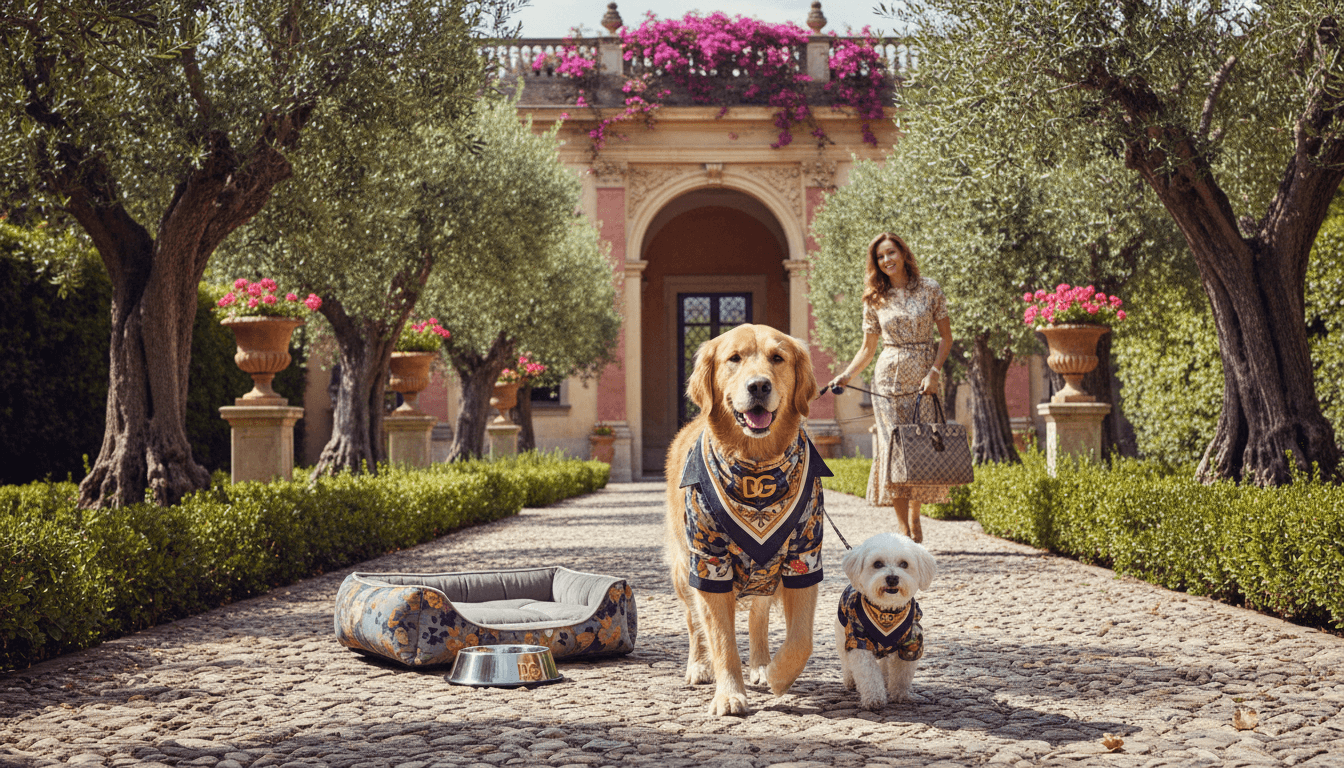
Dolce & Gabbana: Strategic Lifestyle Expansion into Luxury Petwear
Dolce & Gabbana's entry into the luxury petwear market exemplifies a sophisticated market diversification strategy. Leveraging their iconic design heritage, the brand introduces high-end pet accessories, including custom collars, apparel, and feeding sets, targeting affluent pet owners. This expansion taps into the growing $4.7 billion global luxury pet market, enhancing brand relevance while mitigating risks associated with traditional fashion volatility. Through collaborations with artisans and digital marketing initiatives, Dolce & Gabbana reinforces its innovative approach to capturing emerging consumer segments, setting a benchmark for luxury brand evolution.