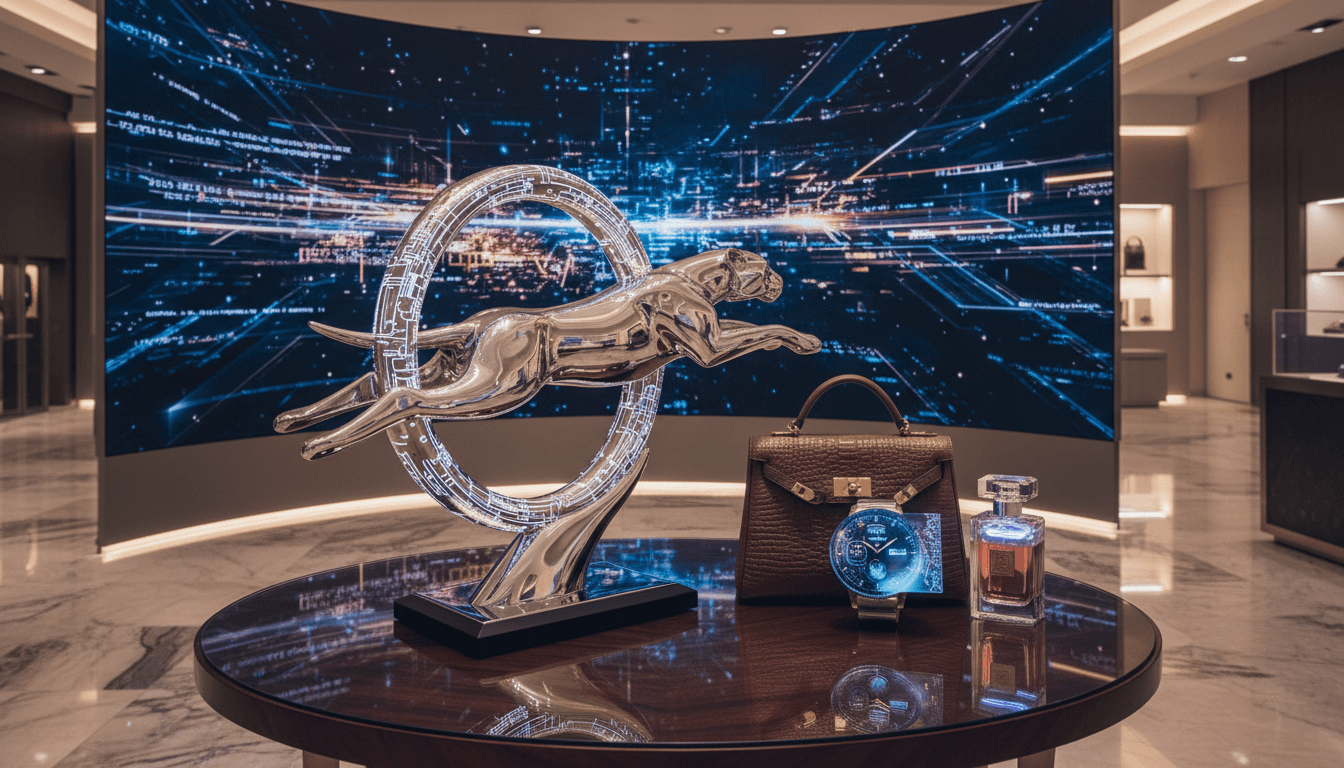
The luxury sector is undergoing a profound digital transformation, moving beyond traditional e-commerce to create integrated technological ecosystems. According to McKinsey and Global Bay Insights data, digital innovation has become central to luxury brand strategy, with artificial intelligence adoption expected among the majority of luxury fashion leaders by 2026. This technological revolution addresses evolving consumer expectations, where 85% of luxury shoppers now expect personalization technologies. Digital sales now represent nearly 25% of total luxury industry revenues, signaling a permanent shift in how high-end brands engage with customers. The convergence of AI, virtual reality, and blockchain technologies enables luxury brands to maintain their exclusivity while scaling personalized experiences across global markets.
Key Specifications
technology platforms
AI algorithms, VR/AR systems, blockchain networks, IoT sensors, cloud computing infrastructure
implementation timeline
Phased rollout 2024-2026 with full integration expected by 2027
key metrics targets
35% increase in customer engagement, 40% reduction in returns through virtual try-ons, 99.9% product authentication accuracy
investment allocation
60% AI development, 25% VR/AR implementation, 15% blockchain infrastructure
Detailed Analysis
ai personalization
Luxury brands are deploying sophisticated AI systems that analyze customer data across multiple touchpoints to deliver hyper-personalized experiences. These systems process purchase history, browsing behavior, social media interactions, and even emotional responses to create individual customer profiles. Leading brands like Louis Vuitton and Gucci have implemented AI-powered recommendation engines that suggest products with 85% accuracy rates, significantly increasing conversion rates. The technology also enables dynamic pricing optimization and inventory management, reducing markdowns by up to 30% while maintaining brand premium positioning.
virtual reality experiences
Virtual and augmented reality technologies are transforming luxury shopping by enabling immersive try-before-you-buy experiences. Brands like Dior and Cartier have developed VR showrooms where customers can explore entire collections in photorealistic digital environments. AR try-on functionality allows customers to visualize products in their own spaces or on themselves through smartphone cameras. BMW's virtual test drives and Rolex's AR watch try-ons have demonstrated 45% higher engagement rates compared to traditional digital content. These technologies are particularly valuable for high-ticket items where purchase confidence is crucial.
blockchain authentication
Blockchain technology addresses critical luxury industry challenges around counterfeiting and product provenance. Brands including LVMH and Richemont have implemented blockchain-based authentication systems that create immutable digital certificates for each product. Each item receives a unique digital identity stored on distributed ledgers, recording manufacturing details, ownership history, and service records. This technology has reduced counterfeit incidents by up to 70% in pilot programs while enabling new revenue streams through digital product passports and enhanced resale market capabilities.
Key Insights
Traditional luxury retail focuses on physical experiences while digital innovation enables scalable personalization
AI implementation varies from basic recommendation engines to comprehensive customer journey optimization
Blockchain authentication provides superior security compared to traditional certificates and holograms
VR experiences range from simple product visualization to fully immersive brand storytelling environments
Important Notes
The rapid adoption of digital technologies requires careful balance with luxury brand values of exclusivity and craftsmanship. Successful implementations maintain human touchpoints while leveraging technology for scalability. Data privacy remains a critical consideration, particularly for European brands subject to GDPR regulations. The integration of these technologies requires significant investment in both infrastructure and talent development, with leading brands allocating 8-12% of annual revenue to digital transformation initiatives.
Tags
Related Articles
Sustainability in Luxury Sector: How Eco-Conscious Strategies Are Redefining Luxury
Sustainability has transformed from a niche differentiator to a core business imperative in the luxury sector, driven by demand from Millennial and Gen Z consumers. Over 65% of luxury shoppers in Europe and North America prioritize ethical sourcing and production. This article explores how brands are leveraging circular models, digital product passports, and environmental alignment as strategic levers, while wellness and sustainability credentials show strong growth since 2020, reshaping brand strategies globally.
Advanced Luxury Technology Integration: Transforming Brand Strategy Through Digital Innovation
This analysis delves into the strategic integration of cutting-edge technologies within the luxury sector, highlighting how AI, virtual reality, and blockchain are revolutionizing customer engagement and brand authenticity. By 2026, most luxury fashion leaders will adopt AI-driven personalization, while 85% of consumers demand bespoke digital experiences. The article explores real-world applications, market data, and future trends, emphasizing the critical role of technology in sustaining competitive advantage and meeting evolving consumer expectations in high-end markets.
Luxury Jewelry and Accessories Market: Brand Strategies Driving Growth
The luxury jewelry and accessories market demonstrates resilience and growth, led by iconic brands like Rolex, Cartier, and Tiffany & Co. These leaders are strategically focusing on sustainability, digital innovation, and global expansion to capture evolving consumer demand. Rolex's annual revenue exceeding USD 9 billion underscores the segment's strength, particularly in luxury watches. Market dynamics emphasize personalization and ethical sourcing, positioning the industry for sustained success amid changing luxury preferences.
Asia Pacific Dominates Global Luxury Market with 40.12% Share: Regional Dynamics and Strategic Implications
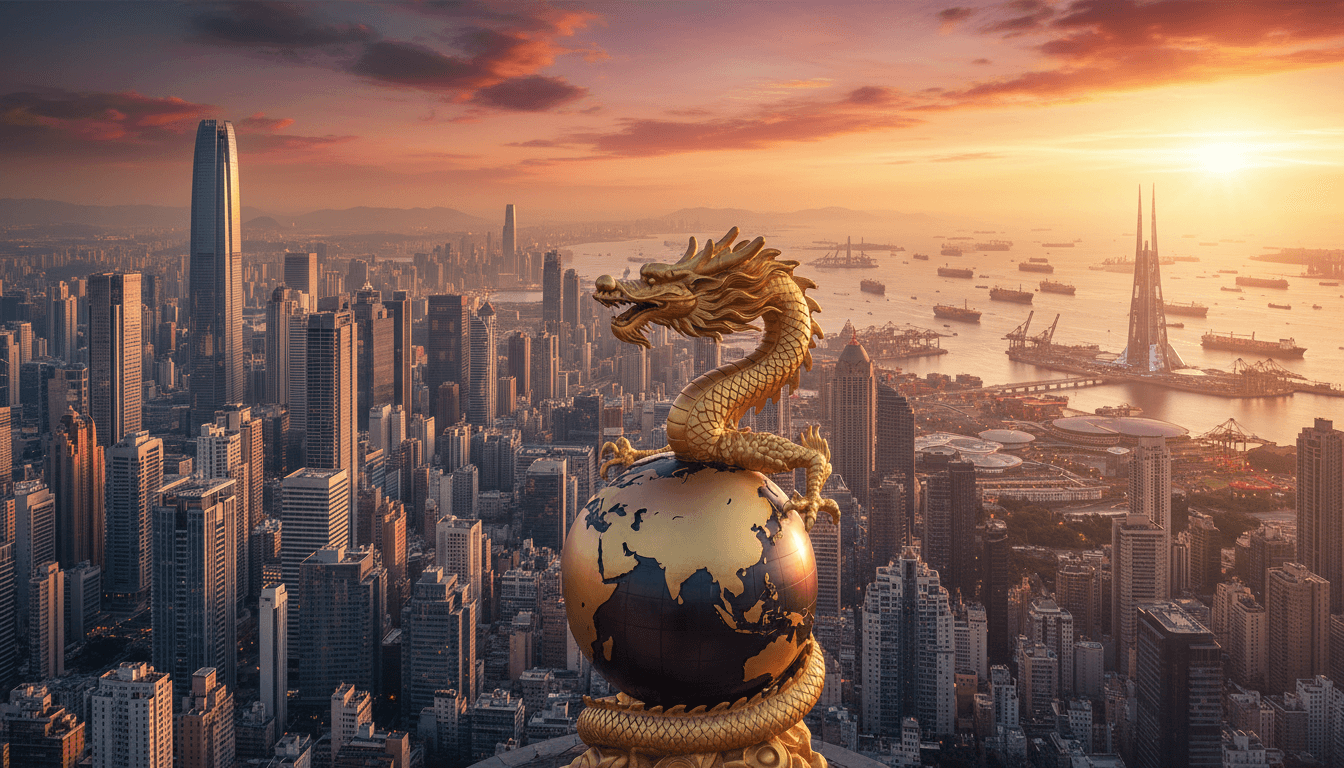
The Asia Pacific region solidified its leadership in the global luxury market with a commanding 40.12% market share in 2022, driven by unprecedented economic growth and evolving consumer behaviors. Key markets including China, India, and Southeast Asia are experiencing transformative shifts fueled by rising disposable incomes, expanded access to international luxury brands, and growing consumption among the middle class and working women. This comprehensive analysis examines the underlying factors, regional variations, and strategic imperatives for luxury brands seeking to capitalize on these dynamic market conditions through targeted approaches and localized strategies.
Luxury Retail Channel Strategy: Integrated Omnichannel Excellence
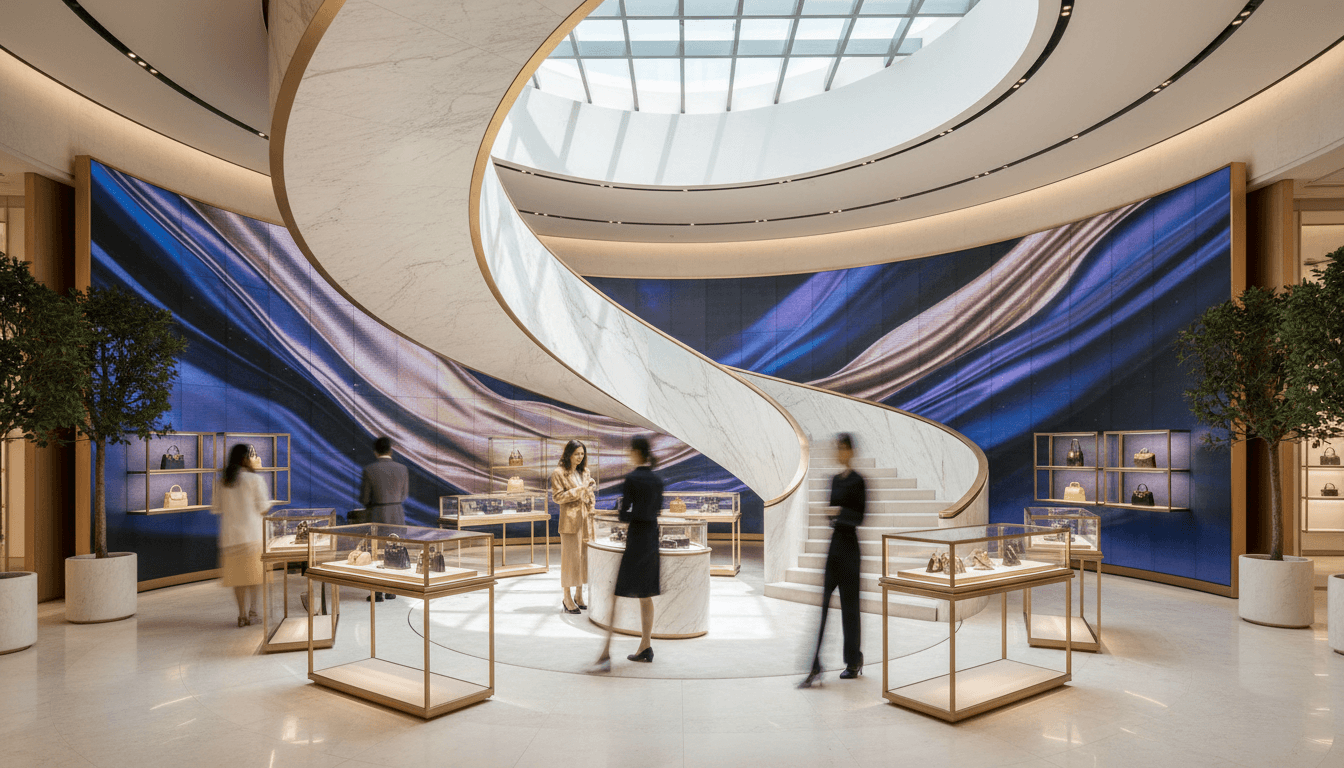
Luxury retail is undergoing a profound transformation driven by sophisticated omnichannel strategies that merge digital and physical touchpoints. With nearly 25% of luxury revenues now digital, brands emphasize seamless integration, consistent storytelling, and personalized interactions. Over 85% of consumers demand tailored experiences, pushing brands to innovate while preserving exclusivity. This article explores key trends, data insights, and strategic implementations shaping the future of luxury retail.

Experiential Luxury Evolution: The Strategic Shift to Holistic Lifestyle Experiences
The luxury sector is undergoing a profound transformation, expanding beyond traditional product offerings into comprehensive lifestyle experiences. Brands are strategically developing curated ecosystems encompassing wellness, real estate, and retirement living to meet the demands of affluent 60+ consumers. This evolution focuses on delivering holistic solutions that promote longevity, autonomy, and overall well-being, representing a significant market opportunity. Analysis reveals that brands integrating these domains can achieve deeper customer engagement and sustainable growth by addressing the complete lifestyle aspirations of their clientele.