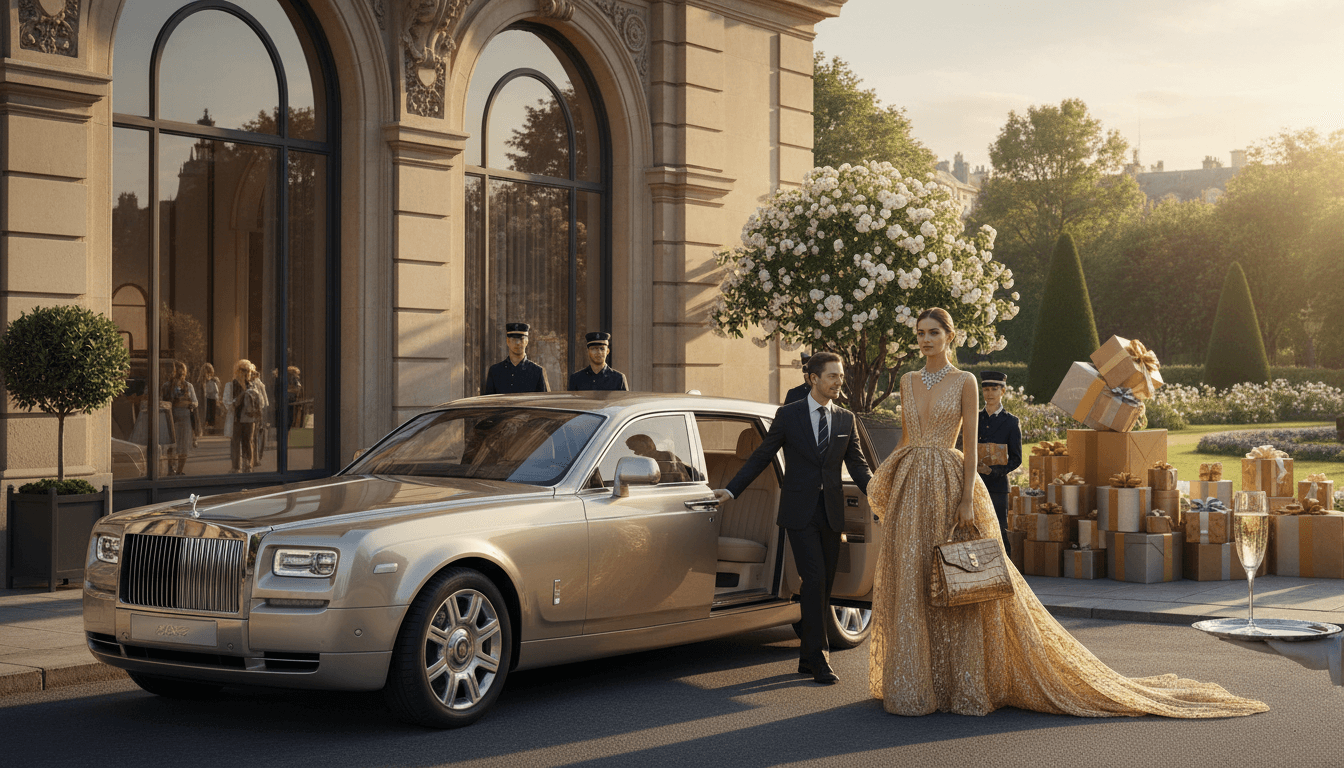
LVMH Moët Hennessy Louis Vuitton SE represents the pinnacle of luxury market leadership, commanding an estimated 22% share of the global personal luxury goods market according to Fortune Business Insights. The conglomerate's strategic excellence stems from its dual approach: maintaining the artistic integrity and heritage of individual brands while leveraging group synergies for operational efficiency and market expansion. With operations spanning 5,500 stores worldwide and employing over 196,000 people, LVMH has demonstrated remarkable resilience and growth even during economic uncertainties, consistently outperforming luxury market averages by 3-5% annually. The group's financial performance remains stellar, with Fashion & Leather Goods alone generating €42.6 billion in 2024, representing 49.4% of total revenue. This dominance is further reinforced by LVMH's strategic focus on high-margin segments and its unparalleled ability to identify and integrate complementary luxury brands into its ecosystem.
Key Specifications
founded
1987
headquarters
Paris, France
revenue 2024
€86.2 billion
operating margin
27.3%
market capitalization
€420 billion
brand portfolio
75+ luxury houses
geographic revenue split
Asia 37%, United States 27%, Europe 23%, Other Markets 13%
key business groups
Fashion & Leather Goods,Wines & Spirits,Perfumes & Cosmetics,Watches & Jewelry,Selective Retailing
Detailed Analysis
acquisition strategy
LVMH's acquisition engine represents one of the most sophisticated corporate development machines in global luxury. The group has completed over 60 strategic acquisitions since 2000, with notable transactions including the $15.8 billion acquisition of Tiffany & Co. in 2021 - the largest luxury acquisition in history. Each acquisition follows a rigorous framework: target brands must demonstrate strong heritage, potential for global scalability, and alignment with LVMH's quality standards. Post-acquisition, LVMH implements its 'brand autonomy with operational synergy' model, preserving creative independence while integrating back-office functions, supply chain management, and digital infrastructure. This approach has proven remarkably effective, with acquired brands typically achieving 20-35% revenue growth within three years of integration.
brand portfolio management
The LVMH portfolio operates as a carefully balanced ecosystem of luxury brands across multiple price points and consumer segments. At the foundation stand iconic heritage brands like Louis Vuitton (founded 1854) and Christian Dior (founded 1946), which generate consistent cash flow and brand equity. Mid-tier acquisitions such as Fendi and Celine target aspirational luxury consumers, while emerging designer brands like Loewe and JW Anderson capture fashion-forward demographics. This multi-tier strategy enables LVMH to capture consumer spending across economic cycles while minimizing market share cannibalization. Each brand maintains distinct creative direction and design philosophy, with LVMH providing centralized resources for manufacturing excellence, retail expansion, and digital transformation.
innovation framework
LVMH's innovation strategy operates across three core dimensions: product innovation, customer experience transformation, and sustainability leadership. The group invests approximately €1.2 billion annually in R&D across its business groups, focusing on materials science (developing sustainable alternatives to exotic leathers), digital craftsmanship (integrating AI in design processes), and retail technology (implementing augmented reality in clienteling). The LVMH Innovation Award program identifies and partners with technology startups developing solutions for luxury retail, while the La Maison des Startups incubator nurtures emerging companies in the luxury tech space. Environmental innovation includes the LIFE 360 program, committing to 100% traceable raw materials by 2025 and carbon neutrality across operations by 2030.
market segmentation strategy
LVMH's market approach demonstrates sophisticated segmentation across product categories and geographic markets. In Fashion & Leather Goods (49.4% of revenue), the group maintains leadership through continuous product launches and limited-edition collaborations that drive consumer desire. Watches & Jewelry (10.2% of revenue) leverages the Tiffany acquisition to challenge Richemont and Swatch Group dominance, while Perfumes & Cosmetics (8.7% of revenue) focuses on premiumization and niche fragrance development. Geographic strategy prioritizes Asian market penetration, with 180 new store openings in China between 2023-2024, while simultaneously strengthening presence in emerging luxury markets across Middle East and Southeast Asia.
Key Insights
Market share leadership vs. competing conglomerates Richemont and Kering
Acquisition strategy effectiveness measured by post-integration revenue growth
Digital transformation index compared to luxury sector benchmarks
Sustainability commitment and implementation across supply chain
Brand portfolio diversity and complementary market positioning
Innovation investment as percentage of revenue versus industry averages
Important Notes
LVMH's continued market leadership faces challenges from the rapid growth of independent luxury brands and changing consumer preferences towards experiential luxury. The group's response includes increased investment in digital clienteling, expansion into luxury hospitality through Cheval Blanc hotels, and development of phygital retail experiences. Future strategy emphasizes deeper penetration in high-growth markets, particularly China and India, while maintaining pricing power and exclusivity in established Western markets. The success of recent acquisitions like Tiffany & Co. demonstrates LVMH's unique capability to revitalize heritage brands while preserving their distinctive identity and craftsmanship traditions.
Tags
Related Articles

AI-Driven Personalization in Luxury: Strategic Imperatives and Market Transformation
Personalization has evolved into a critical competitive differentiator in the luxury sector, with 47% of luxury brands adopting AI-powered personalization technologies. This strategic shift responds to consumer expectations for bespoke experiences, driving an 80% increase in engagement metrics. Leading luxury houses now deploy sophisticated algorithms for custom product design, hyper-personalized shopping journeys, and predictive analytics to enhance exclusivity and brand loyalty in an increasingly digital marketplace.

Luxury Market Generational Transformation: Gen Z and Millennial Dominance Reshaping Industry Dynamics
The luxury market is undergoing unprecedented generational transformation, with Generation Z and Millennials projected to account for 75-85% of luxury purchases by 2030. These digital-native consumers are fundamentally reshaping consumption patterns, prioritizing experiential luxury, sustainability commitments, and value alignment over traditional status symbols. Bain & Company research indicates Gen Z will represent 25-30% and Millennials 50-55% of market share within the decade, forcing luxury brands to radically rethink their strategic approaches to product development, marketing, and customer engagement to remain relevant in this new era.
Luxury Brand Positioning Strategies: Balancing Heritage with Modern Innovation
Luxury brands are adopting holistic positioning strategies that masterfully blend heritage with innovation to resonate across multiple generations. By leveraging unique brand narratives and emotional connections, these brands extend their appeal beyond product functionality to immersive experiences. Key attributes like craftsmanship, exclusivity, and storytelling define success, as seen with leaders like Louis Vuitton, which balances classic appeal with cutting-edge design to maintain relevance in evolving markets.
Digital Innovation in Luxury Brands: AI, VR, and Blockchain Strategies
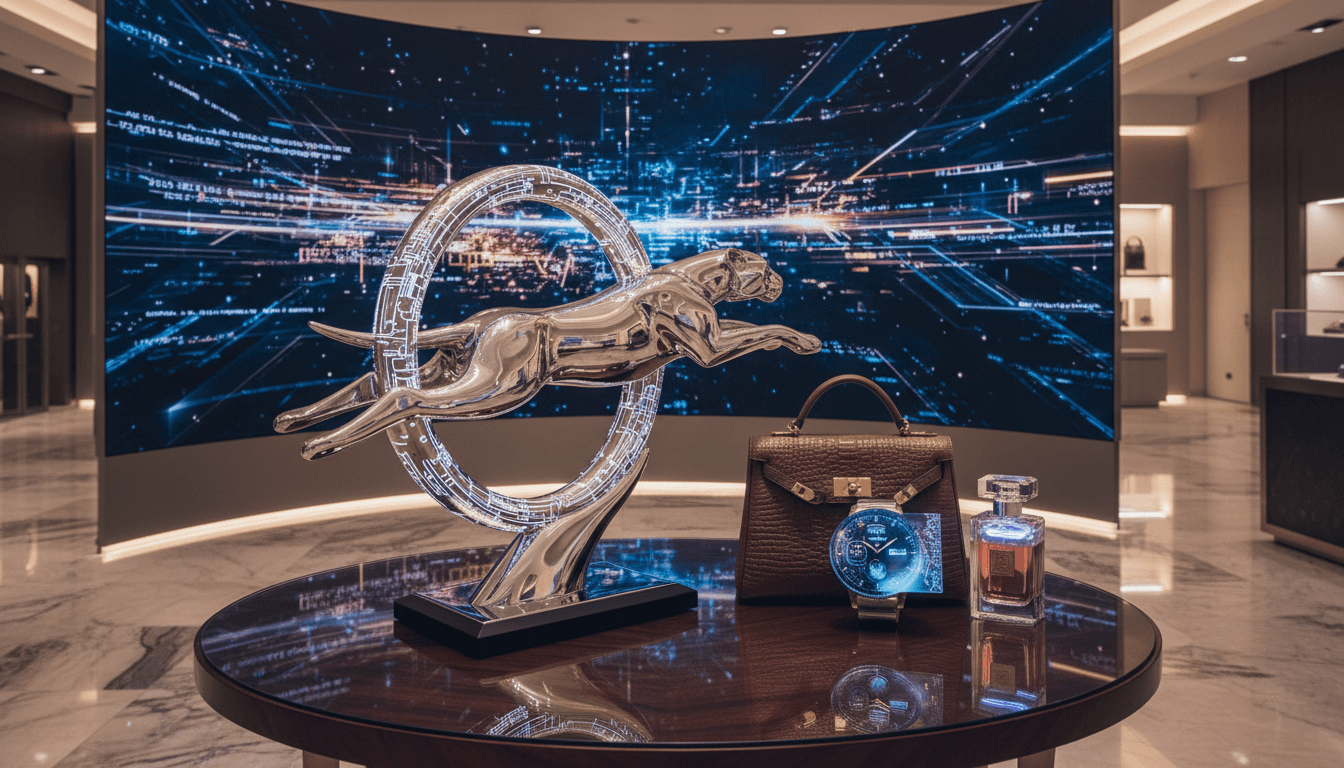
Luxury brands are embracing digital transformation to revolutionize customer experiences through artificial intelligence, virtual reality, and blockchain technology. By 2026, most luxury fashion leaders will implement AI-driven strategies, with digital sales accounting for nearly 25% of total industry revenues. This shift addresses consumer demands for hyper-personalization, immersive shopping, and product authenticity. Key innovations include AI-powered personalization engines, virtual try-on experiences, and blockchain-based authentication systems that enhance engagement while preserving brand exclusivity. The integration of these technologies represents a fundamental evolution in luxury brand strategy and customer relationship management.
Sustainability in Luxury Sector: How Eco-Conscious Strategies Are Redefining Luxury
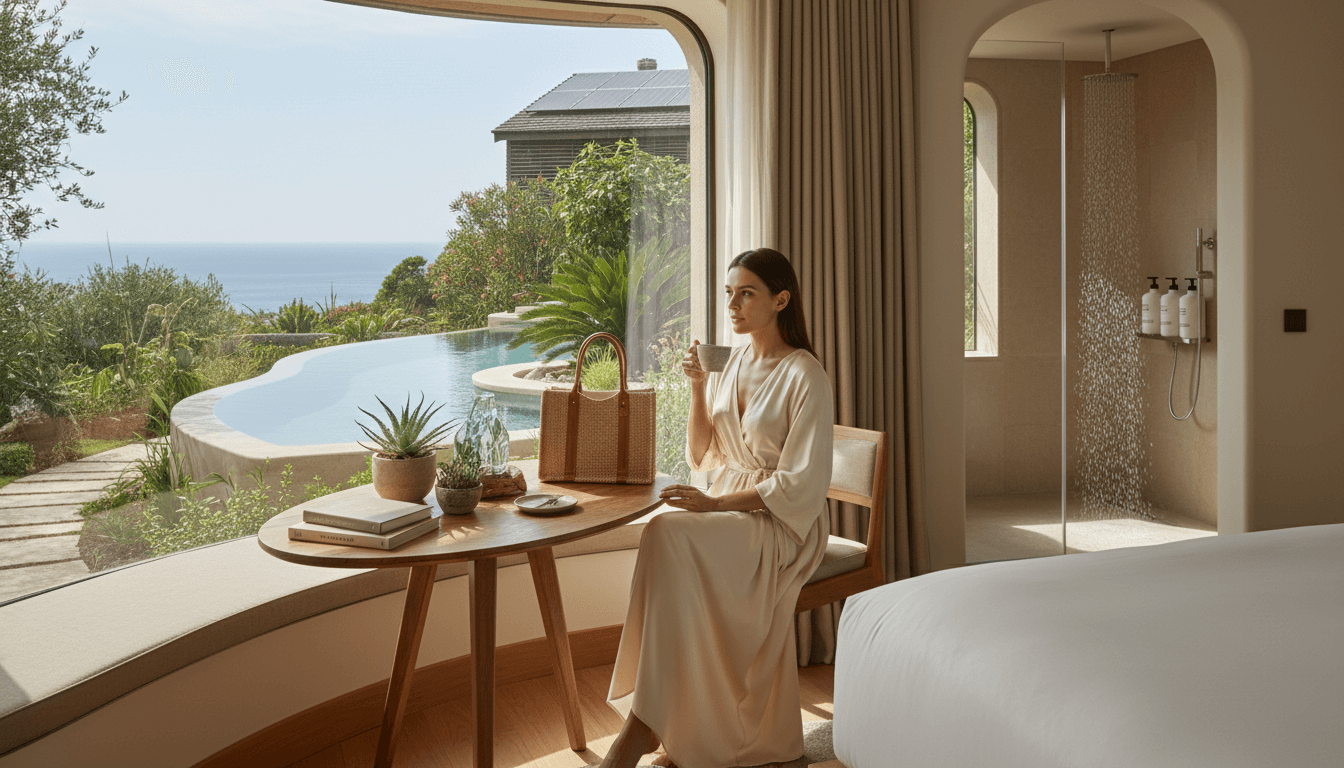
Sustainability has transformed from a niche differentiator to a core business imperative in the luxury sector, driven by demand from Millennial and Gen Z consumers. Over 65% of luxury shoppers in Europe and North America prioritize ethical sourcing and production. This article explores how brands are leveraging circular models, digital product passports, and environmental alignment as strategic levers, while wellness and sustainability credentials show strong growth since 2020, reshaping brand strategies globally.

Advanced Luxury Technology Integration: Transforming Brand Strategy Through Digital Innovation
This analysis delves into the strategic integration of cutting-edge technologies within the luxury sector, highlighting how AI, virtual reality, and blockchain are revolutionizing customer engagement and brand authenticity. By 2026, most luxury fashion leaders will adopt AI-driven personalization, while 85% of consumers demand bespoke digital experiences. The article explores real-world applications, market data, and future trends, emphasizing the critical role of technology in sustaining competitive advantage and meeting evolving consumer expectations in high-end markets.