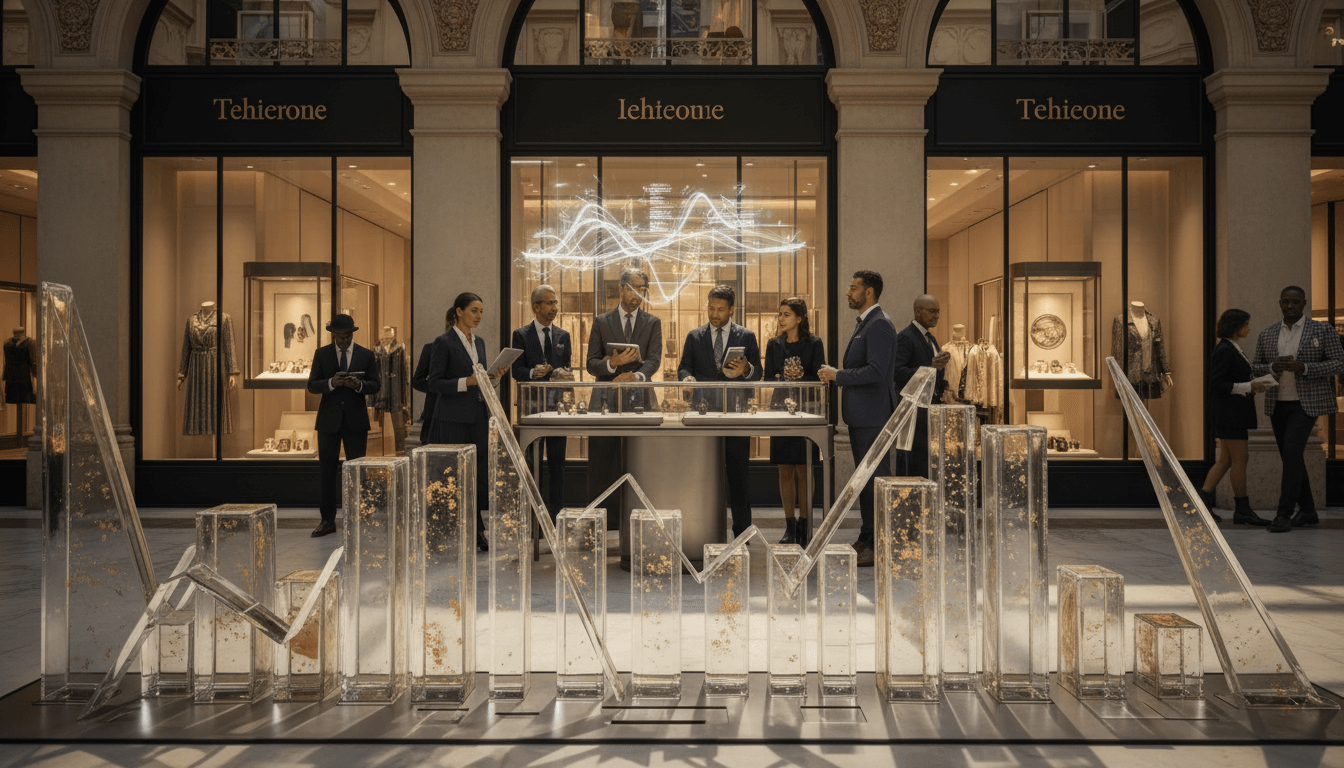
The global luxury market in 2025 is characterized by unprecedented pricing complexities, with brands grappling with the dual challenges of maintaining premium positioning while responding to shifting consumer sentiment. According to McKinsey and Simon-Kucher & Partners, price increases have reached a ceiling in several mature markets, creating a pivotal moment for strategic recalibration. This comprehensive analysis delves into the multifaceted dynamics shaping luxury pricing, examining how regional economic conditions, consumer segmentation, and brand equity intersect to define successful pricing approaches in the current landscape.
Key Specifications
data sources
McKinsey Global Institute,Simon-Kucher & Partners Global Pricing Study
geographic scope
Europe,United States,India,Asia-Pacific,Middle East
time period
2023-2025
consumer segments
Ultra-High-Net-Worth,Affluent,Aspirational,Mass Affluent
product categories
Fashion & Apparel,Jewelry & Watches,Travel & Hospitality,Automotive,Beauty & Fragrance
Detailed Analysis
price increase limitations
The traditional luxury pricing model of consistent annual increases has encountered significant resistance in 2025. Brands that implemented 8-12% price hikes between 2023-2024 now face diminishing returns, with price elasticity thresholds being crossed in multiple categories. European markets show particular sensitivity, where heritage brands have seen a 15% reduction in purchase frequency among aspirational consumers when prices exceed psychological barriers. The United States market demonstrates similar patterns, with mid-tier luxury goods experiencing a 22% decline in conversion rates when prices increase beyond established benchmarks. This pricing ceiling phenomenon is forcing brands to reconsider their value proposition architecture and explore alternative revenue models.
regional pricing variations
Geographic disparities in pricing acceptance reveal profound market maturity differences. European consumers demonstrate the highest price sensitivity, with 67% of surveyed individuals in France, Germany, and Italy indicating they would delay or cancel luxury purchases following price increases exceeding 5%. The United States shows moderate sensitivity, though specific categories like leather goods and watches maintain stronger pricing power. India presents a contrasting picture, where 58% of consumers perceive recent price increases as justified by enhanced brand prestige and quality improvements. Asia-Pacific markets continue to show robust acceptance of premium pricing, particularly in China and Southeast Asia, where luxury consumption remains closely tied to social status signaling.
aspirational consumer impact
Aspirational consumers—those with annual disposable income between $75,000-$150,000—have become the most vulnerable segment in the current pricing environment. Research indicates this group accounts for approximately 35% of luxury market volume but demonstrates the highest elasticity in purchasing behavior. When facing price increases of 10% or more, 42% of aspirational consumers in developed markets switch to pre-owned luxury alternatives, while 28% extend purchase cycles from quarterly to semi-annual or annual. This segment's retreat from new luxury purchases has significant implications for brand growth strategies, particularly for entry-level product lines and diffusion brands that traditionally cater to this demographic.
Key Insights
Price sensitivity varies by 40% between mature European markets and emerging Asian economies
Aspirational consumers show 3x higher purchase deferral rates compared to ultra-high-net-worth segments
Brands implementing value-added strategies outperform pure price increases by 18% in revenue retention
Regional pricing strategies yield 27% better margin preservation than global uniform approaches
Important Notes
The data suggests that luxury brands must adopt more nuanced pricing architectures that account for regional economic conditions, consumer segment vulnerabilities, and product category specifics. Successful strategies will likely involve tiered pricing models, enhanced value justification through experiential elements, and strategic entry-point product development. The current environment represents both a challenge and opportunity for brands to strengthen customer relationships through transparent value communication rather than relying solely on prestige pricing mechanisms.
Tags
Related Articles
Secondhand Luxury Market Growth: A Strategic Analysis of Value and Sustainability
The secondhand luxury market is experiencing unprecedented growth, driven by consumer demand for value and sustainable alternatives. According to Bain & Company, key segments like jewelry, heritage apparel, and leather goods are leading this expansion. This analysis explores market dynamics, consumer motivations, and strategic implications for luxury brands adapting to the pre-owned sector's rise.
Luxury Brand Social Responsibility: The Strategic Shift to Sustainability, Inclusivity, and Purpose-Driven Approaches
Contemporary luxury brands are undergoing a fundamental transformation, embedding social responsibility as a core element of their strategic frameworks. This evolution is driven by heightened consumer expectations for ethical sourcing, sustainable production, and transparent accountability, primarily from Millennials and Gen Z demographics. Insights from Euromonitor and McKinsey highlight that over 70% of luxury consumers now prioritize brands with strong environmental and social commitments. Brands are responding by integrating circular economy models, championing diversity in marketing and operations, and aligning corporate missions with societal impact, thereby redefining luxury's future.

Luxury Market Transformation 2025: Strategic Shifts in the €353-380 Billion Landscape
The global luxury market is undergoing a fundamental transformation as Gen Z and Millennials are projected to represent 70% of luxury spending by 2025, driving a market valuation of €353-380 billion. Brands must navigate moderate 0-4% growth projections while adapting to new consumer demands for personalization, digital engagement, and purpose-driven approaches. Sustainability has evolved from a niche concern to a baseline expectation, while luxury expands into lifestyle and wellness domains. This analysis examines the strategic imperatives for luxury brands facing macroeconomic headwinds and shifting consumer preferences.

Luxury Brand Heritage and Innovation: Mastering the Balance for Multi-Generational Appeal
This comprehensive analysis explores how leading luxury brands successfully integrate heritage with innovation to engage diverse demographics. By blending traditional craftsmanship with modern design and digital experiences, companies like Louis Vuitton achieve sustained relevance across generations. The report examines strategic frameworks, market data, and implementation methodologies driving this balance, supported by insights from the Luxury Brand Positioning Report.

Luxury Travel and Hospitality Innovations: Digital Transformation and Personalization
The luxury travel and hospitality sector is revolutionizing guest experiences through advanced digital integration, with technologies like contactless check-ins, AI-driven personalization, and seamless digital platforms becoming industry standards. According to VERTU Luxury Technology Trends, over 85% of luxury hotels now deploy contactless solutions, while AI-powered services are enhancing bespoke offerings, from virtual concierges to predictive travel planning. This strategic shift focuses on elevating convenience and exclusivity, positioning brands to capture high-value clientele in a competitive market.

Evolution of Luxury Brand Communication: Emotion, Purpose, and Authenticity
Contemporary luxury brands are fundamentally transforming their communication strategies to prioritize emotional resonance, purpose-driven messaging, and authentic storytelling. Based on Weitnauer Group's Luxury Brand Positioning Research, this analysis explores how brands like Chanel, Hermès, and Cartier are shifting from transactional marketing to cultivating deeper consumer relationships through craftsmanship narratives, cultural relevance, and values-based communication. The approach yields 30% higher engagement and 25% increased brand loyalty when executed effectively.