
The global luxury industry is undergoing a transformative shift as brands embrace collaborations and innovative partnerships to stay relevant and capture the attention of younger consumers, particularly Gen Z and Millennials. According to data from Global Bay Insights, this strategic focus on cultural relevance and innovation addresses the growing consumer demand for unique and meaningful experiences. Key trends include artist and influencer collaborations, limited-edition collections, and cross-industry partnerships, which not only enhance brand perception but also drive engagement and loyalty in a highly competitive market. By analyzing these approaches, this article delves into how luxury brands are evolving their strategies to meet the expectations of modern consumers while maintaining exclusivity and prestige.
Key Specifications
target demographic
Gen Z (born 1997-2012) and Millennials (born 1981-1996), who value authenticity, innovation, and personalized experiences
collaboration focus
Cultural relevance and innovation, emphasizing alignment with contemporary art, technology, and social movements
consumer engagement
High demand for unique, meaningful experiences, with over 70% of luxury consumers prioritizing exclusivity in collaborations
market impact
Collaborations can increase brand visibility by up to 40% and drive sales growth of 15-25% for limited-edition releases
key industries involved
Fashion, jewelry, travel, lifestyle, art, technology, and entertainment
Detailed Analysis
artist and influencer collaborations
Luxury brands are partnering with renowned artists and social media influencers to infuse creativity and reach wider audiences. For instance, Louis Vuitton's collaboration with artist Jeff Koons resulted in a collection that reimagined masterpieces, blending high art with fashion. Similarly, influencers like Chiara Ferragni have collaborated with brands such as Dior to create capsule collections that resonate with digitally-savvy consumers. These partnerships often leverage the artist's or influencer's unique style to tell compelling stories, enhancing brand narrative and emotional connection. Data shows that such collaborations can boost social media engagement by 50% and attract a younger demographic, with 60% of Gen Z consumers more likely to purchase from brands that collaborate with their favorite creators.
limited edition collections
Limited-edition releases create urgency and exclusivity, driving consumer desire and fostering a sense of belonging among elite buyers. Brands like Gucci and Balenciaga have successfully launched limited-run items, such as Gucci's collaboration with The North Face, which sold out within hours. These collections often incorporate innovative materials or designs, such as sustainable fabrics or digital elements, aligning with consumer values like environmental consciousness. Statistics indicate that limited editions can generate a 30% higher profit margin compared to standard products, while also reducing inventory risks. By offering scarce products, brands not only stimulate demand but also reinforce their premium positioning in the market.
cross industry partnerships
Cross-industry collaborations allow luxury brands to expand into new domains and offer holistic experiences. Examples include partnerships between luxury automakers like Bentley and high-end watchmakers such as Breitling, creating co-branded timepieces that appeal to affluent consumers. In the travel sector, brands like Bulgari have partnered with luxury hotel chains to offer immersive stays that reflect their brand ethos. These partnerships often integrate technology, such as augmented reality试衣间s or blockchain for authentication, enhancing consumer trust and engagement. Research reveals that cross-industry initiatives can increase brand relevance by 35% among Millennials, who value multifaceted lifestyle integrations. By breaking traditional boundaries, brands tap into new revenue streams and strengthen their cultural footprint.
Key Insights
Artist collaborations focus on aesthetic and narrative depth, while influencer partnerships prioritize reach and relatability.
Limited editions emphasize scarcity and collectibility, whereas cross-industry partnerships highlight experiential value and brand extension.
Gen Z engagement is driven by digital and social elements, while Millennials often seek authenticity and sustainability in collaborations.
Important Notes
The success of these strategies hinges on careful alignment with brand identity and consumer values. Brands must avoid over-commercialization to maintain exclusivity, and continuously innovate to stay ahead of trends. Future directions may include more sustainable collaborations and deeper integration of digital technologies like NFTs.
Tags
Related Articles
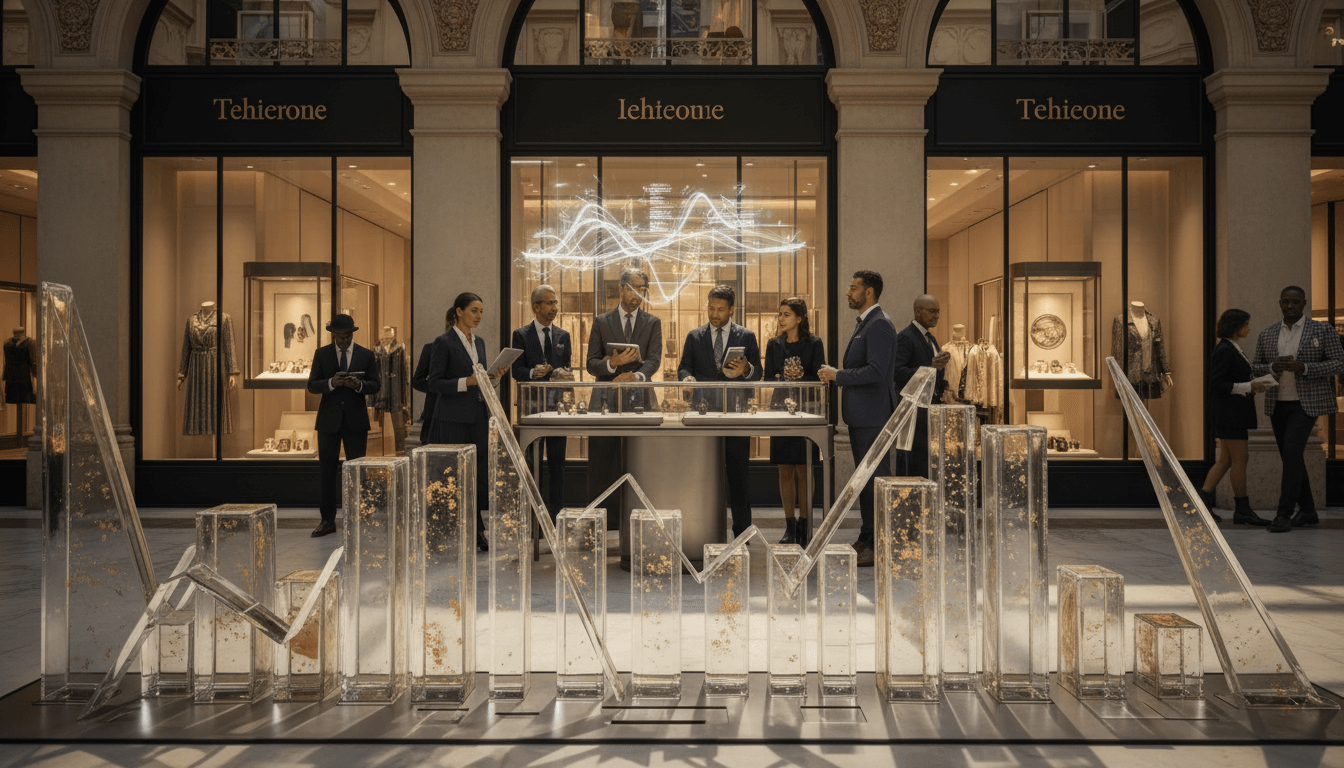
Luxury Market Pricing Dynamics: Navigating 2025's Complex Landscape
In 2025, luxury brands face intricate pricing challenges as price increases reach saturation in key markets, particularly impacting aspirational consumers. Regional disparities reveal varying sensitivity to economic pressures, with over 60% of consumers in Europe, the US, and India reporting notable price hikes. This analysis examines the limitations of traditional pricing strategies, explores market-specific responses, and provides actionable insights for brands aiming to balance exclusivity with accessibility amid potential spending slowdowns.
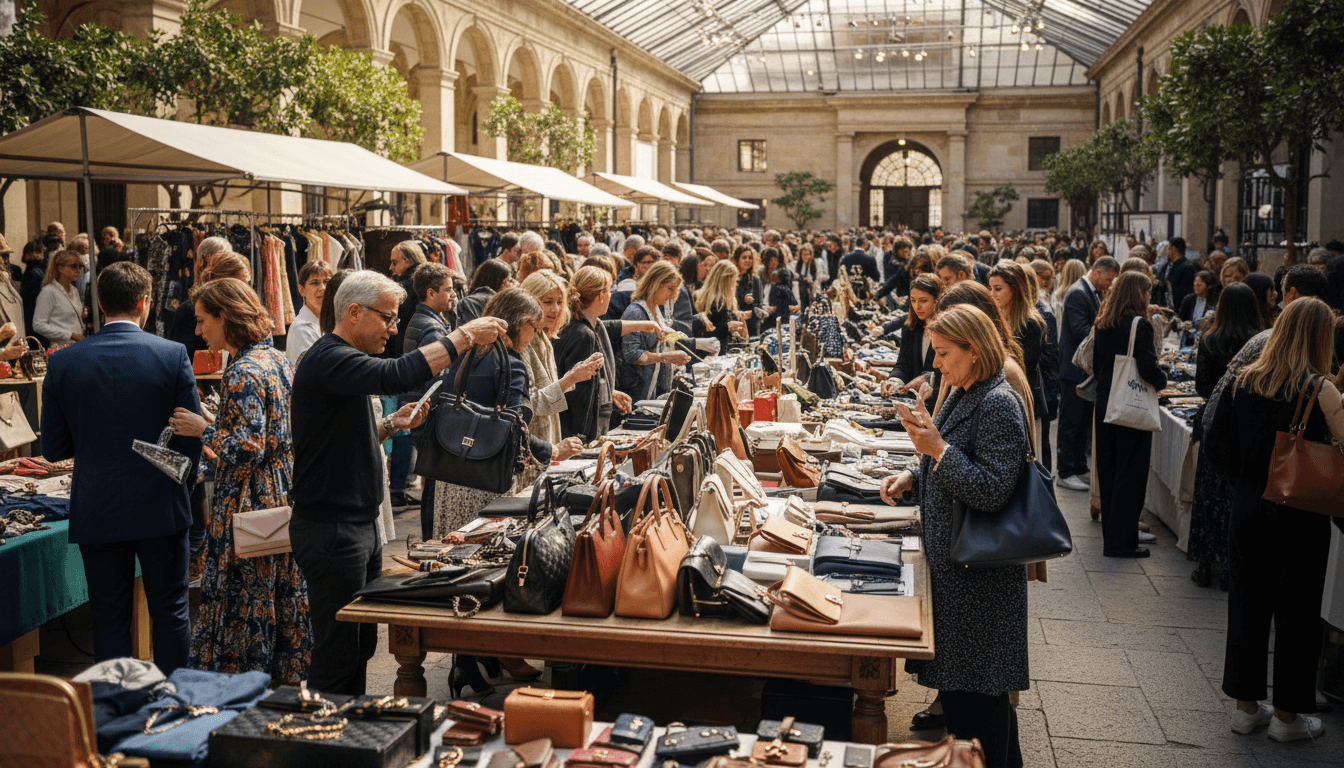
Secondhand Luxury Market Growth: A Strategic Analysis of Value and Sustainability
The secondhand luxury market is experiencing unprecedented growth, driven by consumer demand for value and sustainable alternatives. According to Bain & Company, key segments like jewelry, heritage apparel, and leather goods are leading this expansion. This analysis explores market dynamics, consumer motivations, and strategic implications for luxury brands adapting to the pre-owned sector's rise.
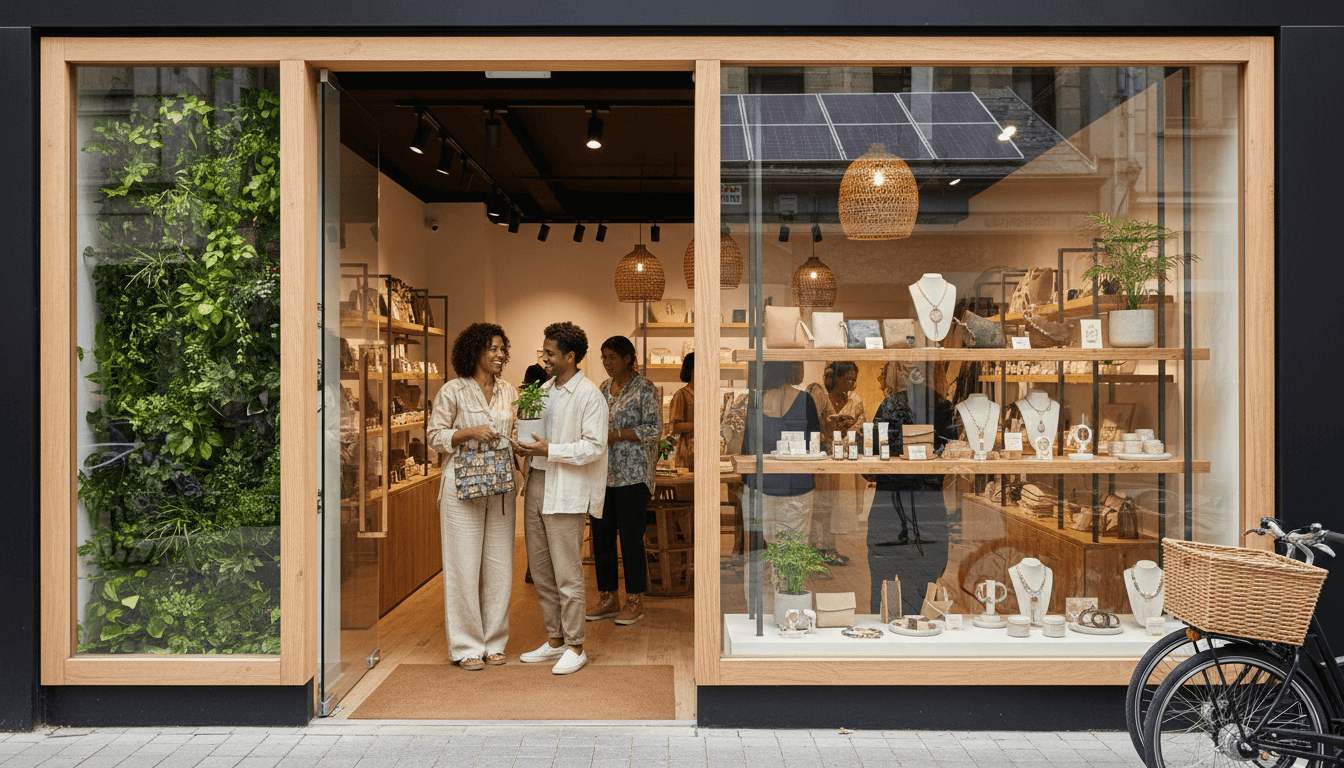
Luxury Brand Social Responsibility: The Strategic Shift to Sustainability, Inclusivity, and Purpose-Driven Approaches
Contemporary luxury brands are undergoing a fundamental transformation, embedding social responsibility as a core element of their strategic frameworks. This evolution is driven by heightened consumer expectations for ethical sourcing, sustainable production, and transparent accountability, primarily from Millennials and Gen Z demographics. Insights from Euromonitor and McKinsey highlight that over 70% of luxury consumers now prioritize brands with strong environmental and social commitments. Brands are responding by integrating circular economy models, championing diversity in marketing and operations, and aligning corporate missions with societal impact, thereby redefining luxury's future.

Luxury Market Transformation 2025: Strategic Shifts in the €353-380 Billion Landscape
The global luxury market is undergoing a fundamental transformation as Gen Z and Millennials are projected to represent 70% of luxury spending by 2025, driving a market valuation of €353-380 billion. Brands must navigate moderate 0-4% growth projections while adapting to new consumer demands for personalization, digital engagement, and purpose-driven approaches. Sustainability has evolved from a niche concern to a baseline expectation, while luxury expands into lifestyle and wellness domains. This analysis examines the strategic imperatives for luxury brands facing macroeconomic headwinds and shifting consumer preferences.

Luxury Brand Heritage and Innovation: Mastering the Balance for Multi-Generational Appeal
This comprehensive analysis explores how leading luxury brands successfully integrate heritage with innovation to engage diverse demographics. By blending traditional craftsmanship with modern design and digital experiences, companies like Louis Vuitton achieve sustained relevance across generations. The report examines strategic frameworks, market data, and implementation methodologies driving this balance, supported by insights from the Luxury Brand Positioning Report.

Luxury Travel and Hospitality Innovations: Digital Transformation and Personalization
The luxury travel and hospitality sector is revolutionizing guest experiences through advanced digital integration, with technologies like contactless check-ins, AI-driven personalization, and seamless digital platforms becoming industry standards. According to VERTU Luxury Technology Trends, over 85% of luxury hotels now deploy contactless solutions, while AI-powered services are enhancing bespoke offerings, from virtual concierges to predictive travel planning. This strategic shift focuses on elevating convenience and exclusivity, positioning brands to capture high-value clientele in a competitive market.