Pros
Consistent 5-6% annual market growth
Tangible asset value retention and appreciation
High demand for bespoke and unique designs
Strong performance among ultra-high-net-worth individuals
Integration of ethical sourcing enhancing brand value
Cons
High entry cost for premium pieces
Market sensitivity to global economic fluctuations
Limited liquidity compared to traditional investments
Counterfeit risks in secondary markets
Our Experience
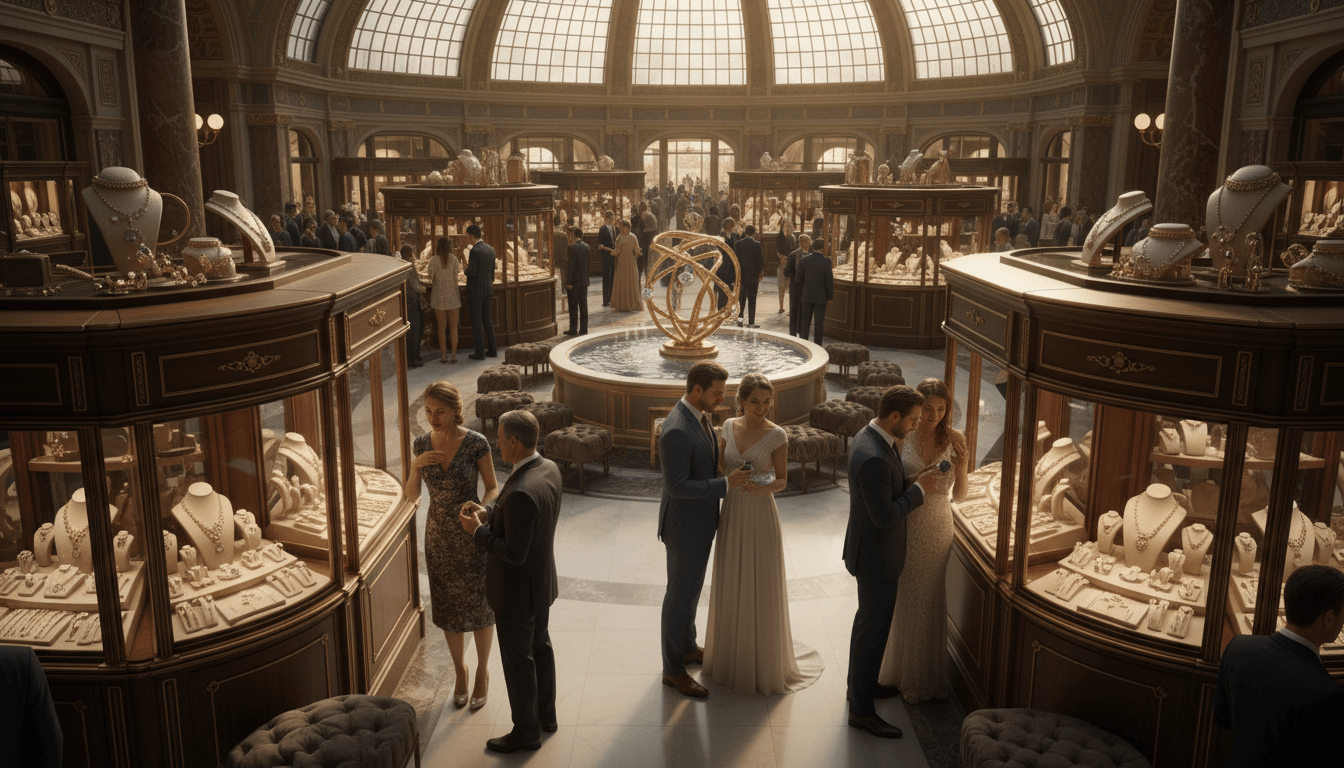
The luxury jewelry sector in 2023 showcased remarkable resilience, with the market expanding to €29 billion. Fine jewelry, particularly bespoke creations from houses like Cartier and Van Cleef & Arpels, saw unprecedented demand. Collectors and investors are prioritizing rare gemstones, such as fancy-color diamonds and untreated Burmese rubies, which have appreciated by 8-10% annually. Technological advancements in customization, including 3D modeling and blockchain for provenance, are revolutionizing client experiences. Sustainability certifications, like the Responsible Jewellery Council standards, are becoming decisive purchase factors, influencing 70% of luxury buyers.
Our Recommendation
Strongly recommend for investors seeking stable, tangible assets with aesthetic value. Prioritize certified, ethically sourced pieces from established maisons to maximize long-term returns.
Tags
Related Reviews
Luxury Market Geographic Insights: Analyzing Regional Dynamics and Growth Patterns
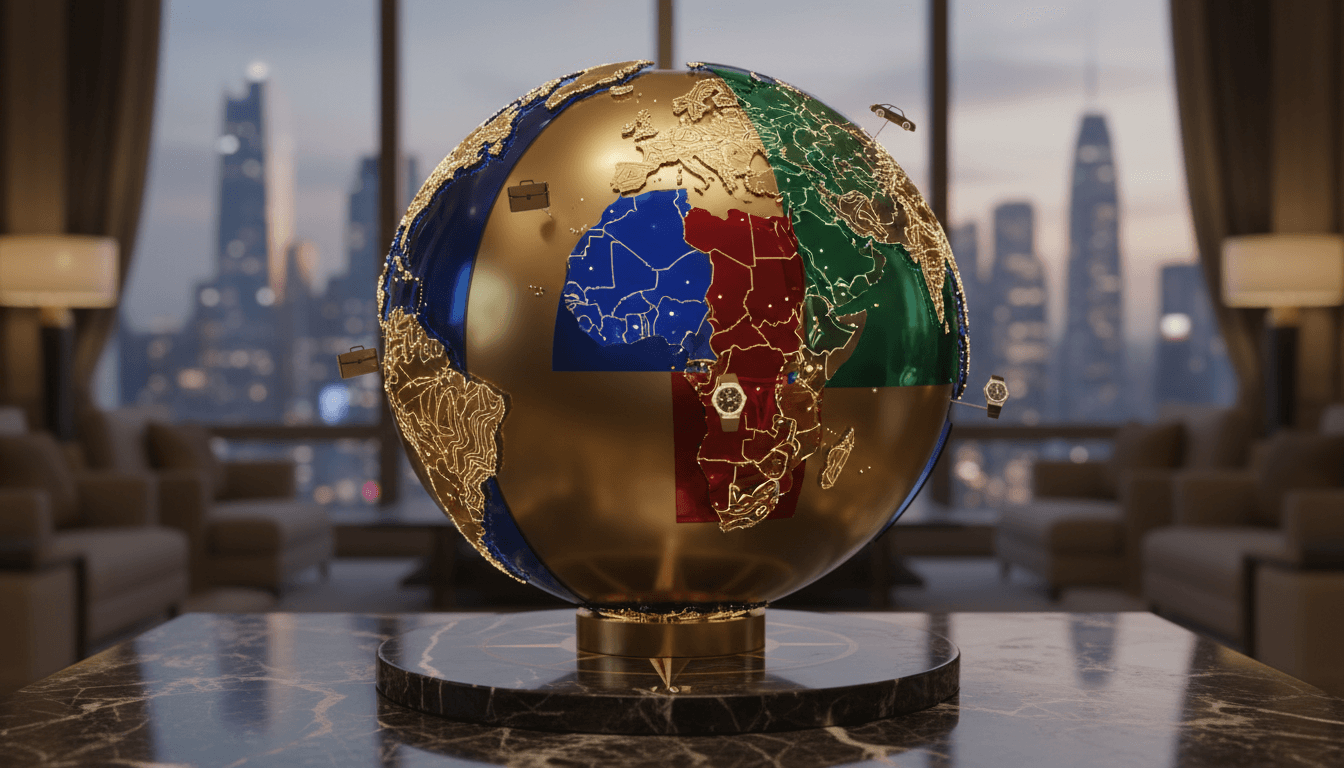
This comprehensive review delves into the geographic dynamics of the global luxury market, valued at €1.5 trillion in 2023 with an annual growth rate of 8-10%. Asia, particularly China, Japan, and South Korea, drives expansion through unique consumer behaviors, while the US and European markets maintain strength with heritage brand loyalty and evolving preferences. The analysis covers regional consumption patterns, market strategies, and innovations shaping luxury fashion, jewelry, travel, and lifestyle sectors, providing actionable insights for industry stakeholders.

Luxury Fashion's Digital Transformation: A Comprehensive Review of Market Evolution
The luxury fashion industry is undergoing a profound digital and strategic transformation, with global market growth projected at 8-10% in 2023. Brands are leveraging AI and technology to enhance personalization while emphasizing sustainable production and omnichannel retail experiences. This shift addresses changing consumer expectations through digital innovation, ethical practices, and seamless customer engagement, as highlighted in the McKinsey State of Luxury Report.

Luxury Brand Digital Strategy: Transforming High-End Experiences Through Technology
This review examines how digital transformation is revolutionizing luxury brand strategies, with a focus on AI-driven personalization, advanced digital marketing, and technology as a key differentiator. Drawing from McKinsey's State of Luxury Report, we explore how brands are investing in sophisticated online experiences and data analytics to deliver seamless, personalized interactions. The analysis covers market trends, strategic implementations, and the growing emphasis on digital capabilities to maintain competitive advantage in the global luxury sector.
Navigating the Evolving Luxury Watch Market: Trends, Innovations, and Consumer Shifts
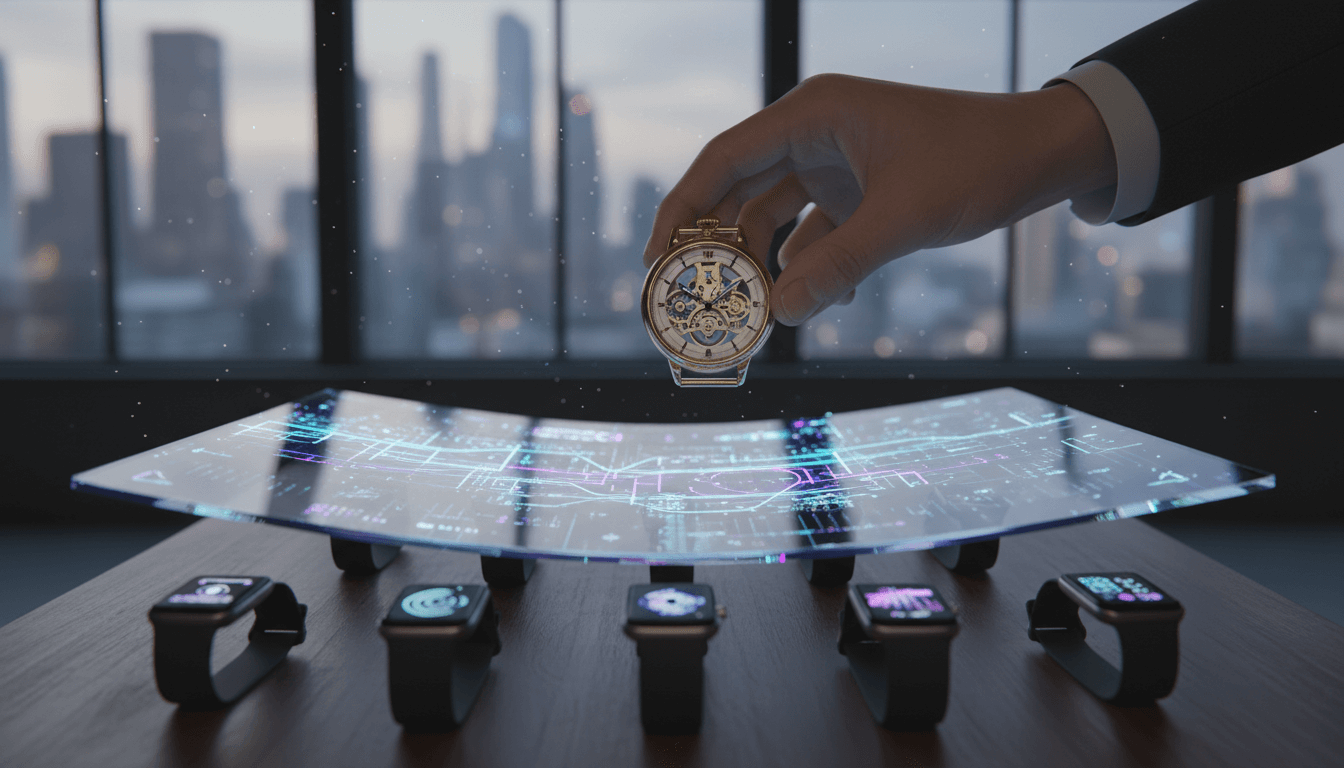
The luxury watch market is undergoing significant transformation, marked by a slowdown in traditional segments and a surge in demand for innovative designs and technology integration. Brands are adapting to shifting consumer preferences, particularly among younger demographics seeking unique, meaningful timepieces. This review explores key dynamics, including market performance data from Bain & Company, the impact of economic uncertainties, and strategies employed by leading manufacturers to maintain relevance and drive growth in a competitive landscape.
Luxury Technology Integration: NFC and Digital Authentication Reshape High-End Products
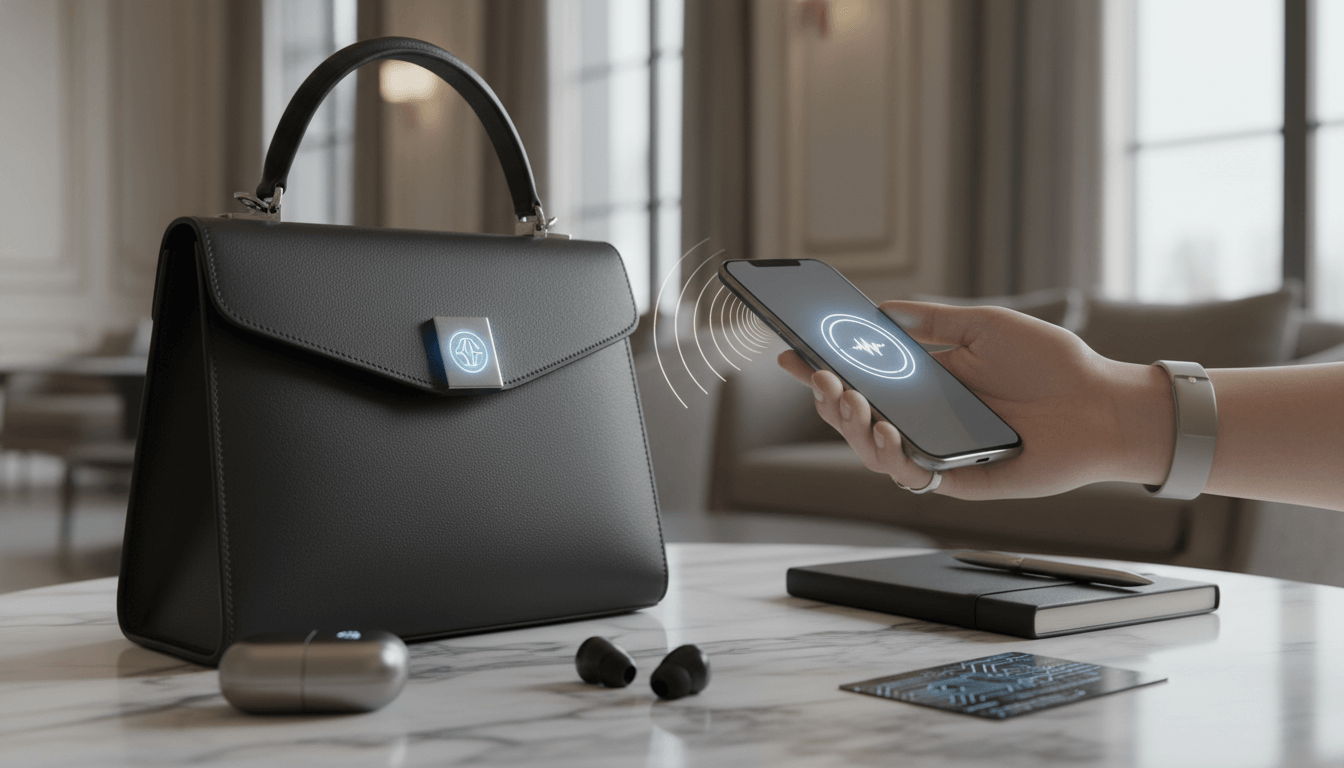
Luxury brands are embracing advanced technologies, with NFC chips and digital authentication systems becoming integral in products like jewelry, bags, and accessories. Pioneers such as Coach and VerseLux are leading this innovation, enhancing customer engagement through tech-enabled features that offer unique experiences, product verification, and added value. This trend reflects a broader shift in the luxury market towards integrating digital solutions to meet evolving consumer expectations for authenticity and interactivity.
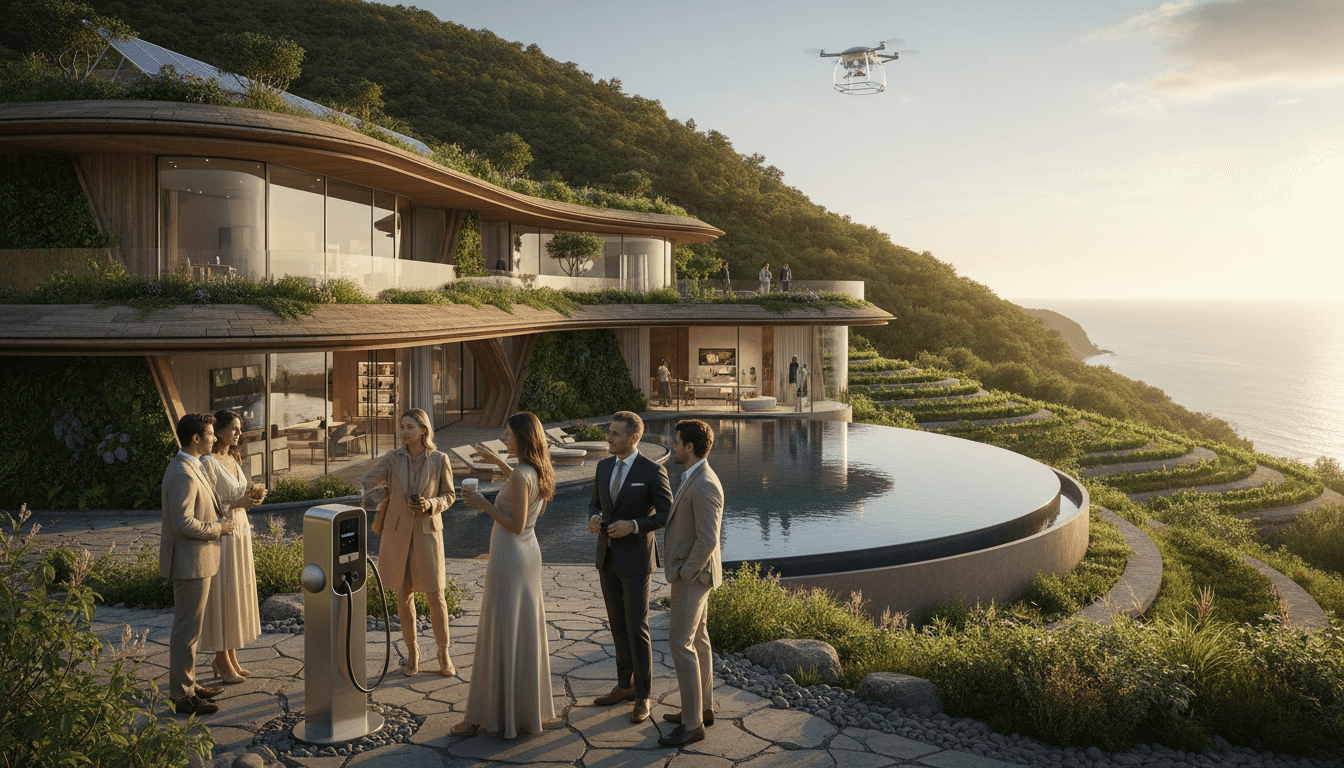
The Luxury Sustainability Movement: How High-End Brands Are Embracing Eco-Conscious Practices
The luxury sector is undergoing a transformative shift towards sustainability, driven by rising consumer demand for ethical and environmentally responsible products. Brands are adopting sustainable materials, transparent supply chains, and circular economy models, including pre-owned markets. This review explores key trends, brand initiatives, and market data from the Mediaboom Luxury Trends Report, highlighting how sustainability is redefining luxury without compromising quality or exclusivity.